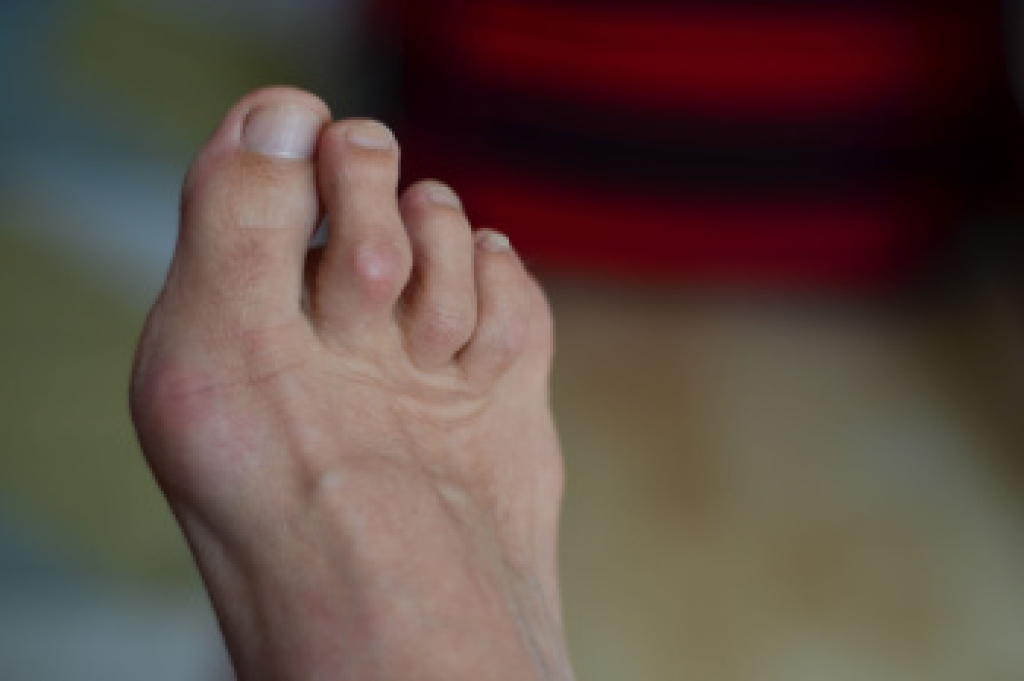
Facts About Hammertoe Surgery

Hammertoe surgery is considered when a bent toe causes ongoing pain, pressure points, or difficulty wearing shoes despite conservative care. Hammertoe surgery aims to straighten the affected toe by correcting tight tendons, ligaments, or joint alignment that pull it into an abnormal fixed position. Depending on severity, surgery may involve tendon release or joint resection. In some cases, fusion is performed to improve stability and reduce friction against footwear. Recovery time varies, but swelling and stiffness are common during early healing as the toe adjusts to its new position. A podiatrist plays an important role by confirming the diagnosis and determining whether surgery is appropriate. They also explain risks and expectations, select the most effective surgical approach, and guide post-procedure care to support healing and restore walking comfort. For help with foot pain caused by a hammertoe, it is suggested that you make an appointment with a podiatrist for an exam, diagnosis, and treatment.

Hammertoes can be a painful condition to live with. For more information, contact Frederick Matthews, DPM of Innovative Foot and Ankle Care. Our doctor will answer any of your foot- and ankle-related questions.

Hammertoe

Hammertoe is a foot deformity that occurs due to an imbalance in the muscles, tendons, or ligaments that normally hold the toe straight. It can be caused by the type of shoes you wear, your foot structure, trauma, and certain disease processes.

Symptoms

  • Painful and/or difficult toe movement
  • Swelling
  • Joint stiffness
  • Calluses/Corns
  • Physical deformity

Risk Factors

  • Age – The risk of hammertoe increases with age
  • Sex – Women are more likely to have hammertoe compared to men
  • Toe Length – You are more likely to develop hammertoe if your second toe is longer than your big toe
  • Certain Diseases – Arthritis and diabetes may make you more likely to develop hammertoe

Treatment

If you have hammertoe, you should change into a more comfortable shoe that provides enough room for your toes. Exercises such as picking up marbles may strengthen and stretch your toe muscles. Nevertheless, it is important to seek assistance from a podiatrist in order to determine the severity of your hammertoe and see which treatment option will work best for you.

If you have any questions, please feel free to contact our office located in Plano, TX . We offer the newest diagnostic and treatment technologies for all your foot care needs.

Read more about Hammertoe

Are You Suffering From Nerve Damage?

Neuropathy is a condition that can lead to numbness or loss of sensation in the feet, but it can also cause pain. This condition is more likely to develop for those who are diabetic, obese, or with high blood pressure.

Why Chronic Foot Wounds Do Not Heal and What Helps

Chronic foot wounds develop when the normal healing process is disrupted. Poor circulation is a common cause, as reduced blood flow limits oxygen and nutrients needed for repair. Diabetes can damage nerves and blood vessels, making injuries harder to notice and slower to heal. Pressure from wearing ill-fitting shoes or limited mobility may repeatedly stress the same area. Infection, swelling, and untreated calluses can also keep a wound open longer than expected. Treatment focuses on addressing both the wound and the underlying cause. Care may include regular debridement, advanced dressings, infection control, and offloading pressure from the affected area. Improving blood flow, managing blood sugar, and correcting footwear problems are equally important. If a foot wound is slow to heal or recurring, it is suggested that you see a podiatrist promptly.

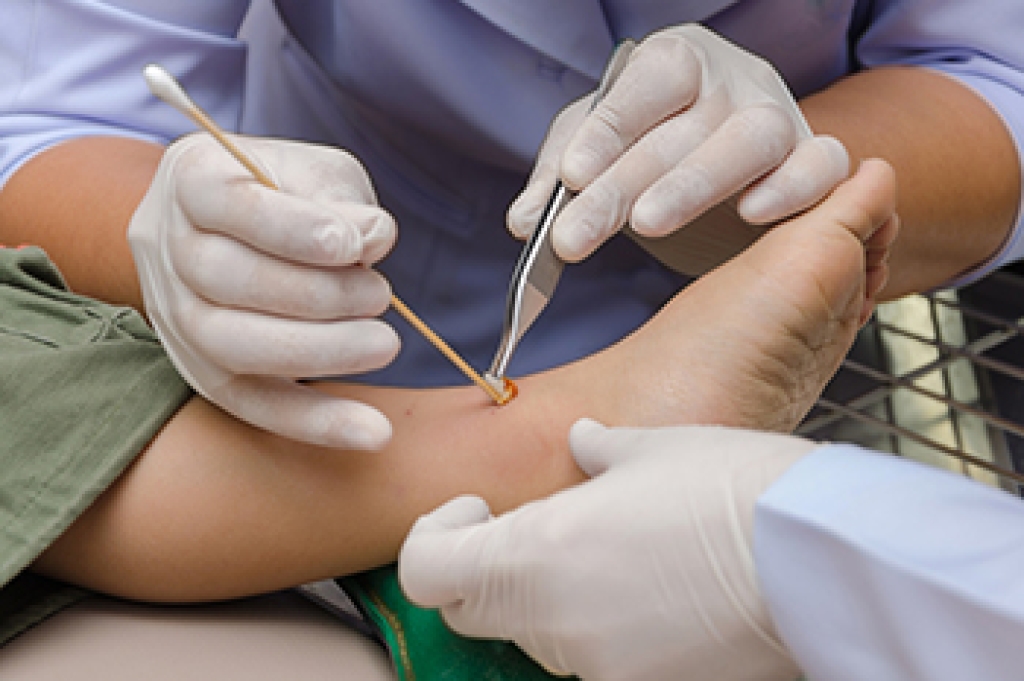
Wound care is an important part in dealing with diabetes. If you have diabetes and a foot wound or would like more information about wound care for diabetics, consult with Frederick Matthews, DPM from Innovative Foot and Ankle Care. Our doctor will assess your condition and provide you with quality foot and ankle treatment.

What Is Wound Care?

Wound care is the practice of taking proper care of a wound. This can range from the smallest to the largest of wounds. While everyone can benefit from proper wound care, it is much more important for diabetics. Diabetics often suffer from poor blood circulation which causes wounds to heal much slower than they would in a non-diabetic. 

What Is the Importance of Wound Care?

While it may not seem apparent with small ulcers on the foot, for diabetics, any size ulcer can become infected. Diabetics often also suffer from neuropathy, or nerve loss. This means they might not even feel when they have an ulcer on their foot. If the wound becomes severely infected, amputation may be necessary. Therefore, it is of the upmost importance to properly care for any and all foot wounds.

How to Care for Wounds

The best way to care for foot wounds is to prevent them. For diabetics, this means daily inspections of the feet for any signs of abnormalities or ulcers. It is also recommended to see a podiatrist several times a year for a foot inspection. If you do have an ulcer, run the wound under water to clear dirt from the wound; then apply antibiotic ointment to the wound and cover with a bandage. Bandages should be changed daily and keeping pressure off the wound is smart. It is advised to see a podiatrist, who can keep an eye on it.

If you have any questions please contact our office located in Plano, TX . We offer the newest diagnostic and treatment technologies for all your foot and ankle needs.

Read more about Wound Care

Athlete’s Foot and How It Affects Foot Health

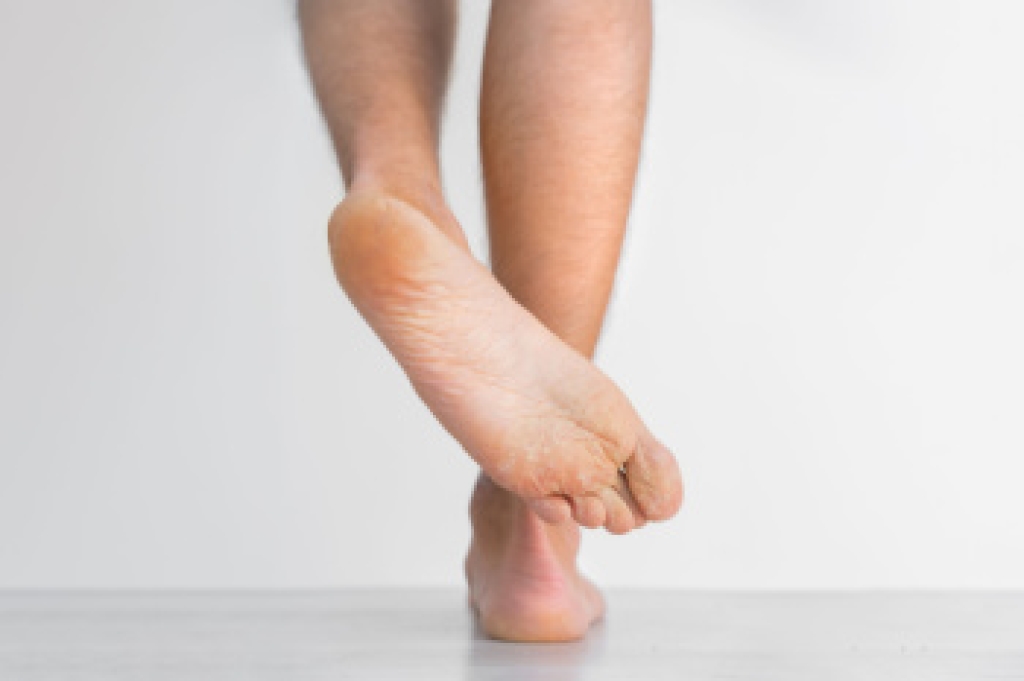
Athlete’s foot is a fungal infection that commonly affects the skin between the toes and the soles of the feet. Unlike ordinary dry skin, athlete’s foot is contagious and can cause itching, burning, redness, cracking, peeling, and blisters. The infection often develops in warm, moist environments such as shoes, locker rooms, or near swimming pools. Causes include exposure to the fungus, poor foot hygiene, sweaty feet, and wearing tight or non-breathable footwear. A podiatrist can accurately diagnose athlete’s foot, differentiate it from dry skin or other skin conditions, and recommend antifungal treatments, proper foot care, and preventive measures. If you notice persistent itching, redness, or peeling between your toes, it is suggested that you schedule an appointment with a podiatrist for effective relief and treatment solutions.

Athlete’s Foot

Athlete’s foot is often an uncomfortable condition to experience. Thankfully, podiatrists specialize in treating athlete’s foot and offer the best treatment options. If you have any questions about athlete’s foot, consult with Frederick Matthews, DPM from Innovative Foot and Ankle Care. Our doctor will assess your condition and provide you with quality treatment.

What Is Athlete’s Foot?

Tinea pedis, more commonly known as athlete’s foot, is a non-serious and common fungal infection of the foot. Athlete’s foot is contagious and can be contracted by touching someone who has it or infected surfaces. The most common places contaminated by it are public showers, locker rooms, and swimming pools. Once contracted, it grows on feet that are left inside moist, dark, and warm shoes and socks.

Prevention

The most effective ways to prevent athlete’s foot include:

  • Thoroughly washing and drying feet
  • Avoid going barefoot in locker rooms and public showers
  • Using shower shoes in public showers
  • Wearing socks that allow the feet to breathe
  • Changing socks and shoes frequently if you sweat a lot

Symptoms

Athlete’s foot initially occurs as a rash between the toes. However, if left undiagnosed, it can spread to the sides and bottom of the feet, toenails, and if touched by hand, the hands themselves. Symptoms include:

  • Redness
  • Burning
  • Itching
  • Scaly and peeling skin

Diagnosis and Treatment

Diagnosis is quick and easy. Skin samples will be taken and either viewed under a microscope or sent to a lab for testing. Sometimes, a podiatrist can diagnose it based on simply looking at it. Once confirmed, treatment options include oral and topical antifungal medications.

If you have any questions, please feel free to contact our office located in Plano, TX . We offer the newest diagnostic and treatment technologies for all your foot care needs.
Read more about Athlete's Foot

A Stubbed Toe Can Actually Be a Broken Toe

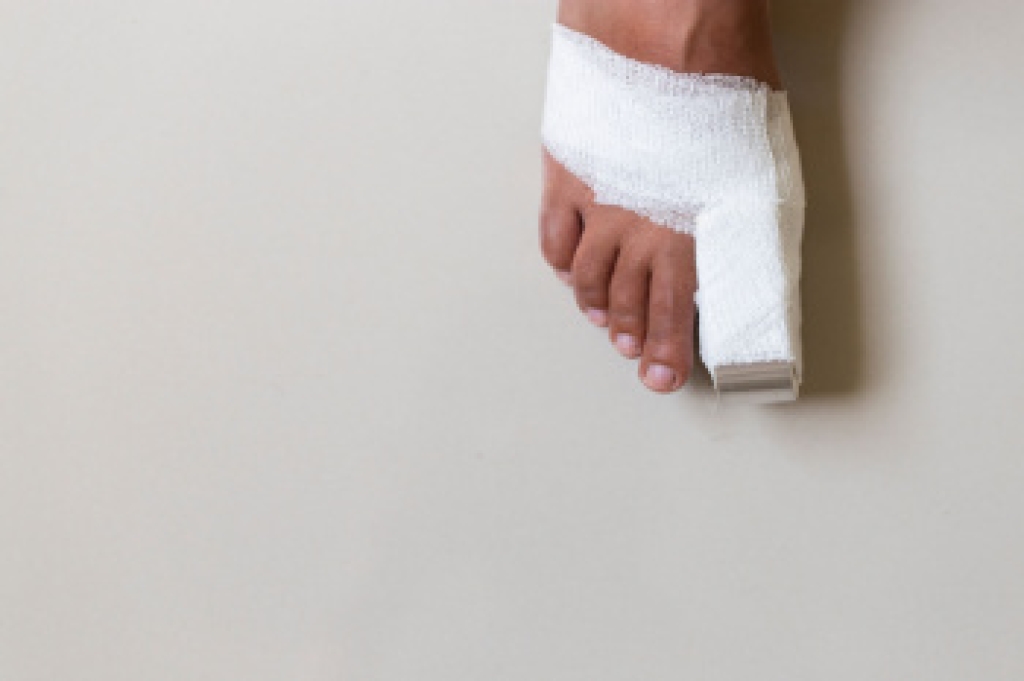
A broken toe often occurs after stubbing the foot against a hard surface, dropping a heavy object on it, or during sports activity. The toe may look swollen, bruised, or slightly crooked, and the skin can become red or tender. Many patients describe sharp pain at the time of injury, followed by throbbing discomfort that worsens while walking or wearing shoes. In some cases, movement of the toe becomes limited, and pressure along the bone increases pain. While some minor fractures can heal with protection and rest, others require more careful treatment. A podiatrist will perform a detailed examination, and may order X-rays to determine the location and severity of the break. Treatment options include protective taping, a surgical shoe, or an immobilizing cast to allow proper healing. Targeted exercises may later help restore strength and flexibility. If you have a broken toe, it is suggested that you schedule an appointment with a podiatrist for appropriate treatment.

A broken toe can be very painful and lead to complications if not properly fixed. If you have any concerns about your feet, contact Frederick Matthews, DPM from Innovative Foot and Ankle Care. Our doctor will treat your foot and ankle needs.

What to Know About a Broken Toe

Although most people try to avoid foot trauma such as banging, stubbing, or dropping heavy objects on their feet, the unfortunate fact is that it is a common occurrence. Given the fact that toes are positioned in front of the feet, they typically sustain the brunt of such trauma. When trauma occurs to a toe, the result can be a painful break (fracture).

Symptoms of a Broken Toe

  • Throbbing pain
  • Swelling
  • Bruising on the skin and toenail
  • The inability to move the toe
  • Toe appears crooked or disfigured
  • Tingling or numbness in the toe

Generally, it is best to stay off of the injured toe with the affected foot elevated.

Severe toe fractures may be treated with a splint, cast, and in some cases, minor surgery. Due to its position and the pressure it endures with daily activity, future complications can occur if the big toe is not properly treated.

If you have any questions, please feel free to contact our office located in Plano, TX . We offer the newest diagnostic and treatment technologies for all your foot care needs.
Read more about What to Know About a Broken Toe

Connect With Us